Cur8
UI/UX
Fashion & Retail
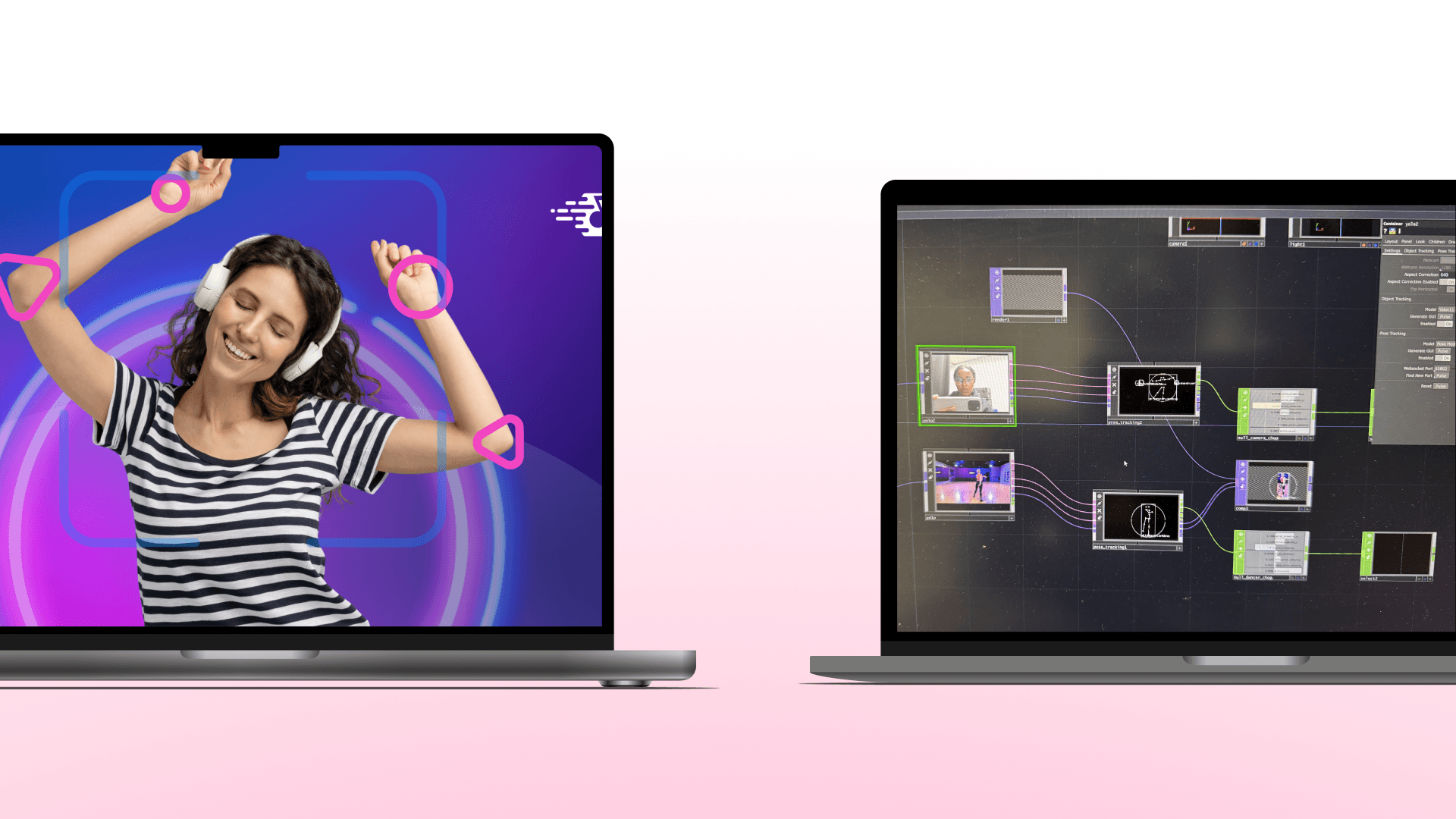
Reusable, Mixed Reality powered glasses, designed to cur8 connections and outfits.
Project Type: Product Design + UI/UX + Branding
Role: Lead UX Designer & Director
Tools: Figma, Figjam, Miro, Google Suite, Notion
Duration: Q3 2024
UI/UX
Prototyping
Research
Overview
Thrifters want to create social relationships while thrifting, and cultivate insiring outfits, while expressing their inner style.
Problem and Solution
Research Methods
An Ethnographic Approach
1
Archived Data
Online Forums, Blogs, News, Social Media Groups
2
Field Work
Thrift/second hand stores: "Pavement", "Leaopard Lounge", and Sunday Open Markets
3
Interviews
6 Semi-Structured Interviewees "in-field" at thrift stores.
Research Methods
Insights
For some, thrifting is not a hobby - it’s a lifestyle driven by key motivators:
Discovery, Exploration, Social Connection, and Advocacy.
These key motivators offered insight into why people thrift:
Target Profiles
Personas
A surprising mirror of the "Powerpuff Girls"
1
The Legacy
Seeks being perceived as knowledgable. Associates thrifting with nostalgia due to family thrfting.
2
The Adventurer
Likes to make a statement with their style. Seeks to socialize and connect through thrifting.
3
The Advocate
Desires social change. Supports the sustainability of thrifting. Picky with where outfits come from.
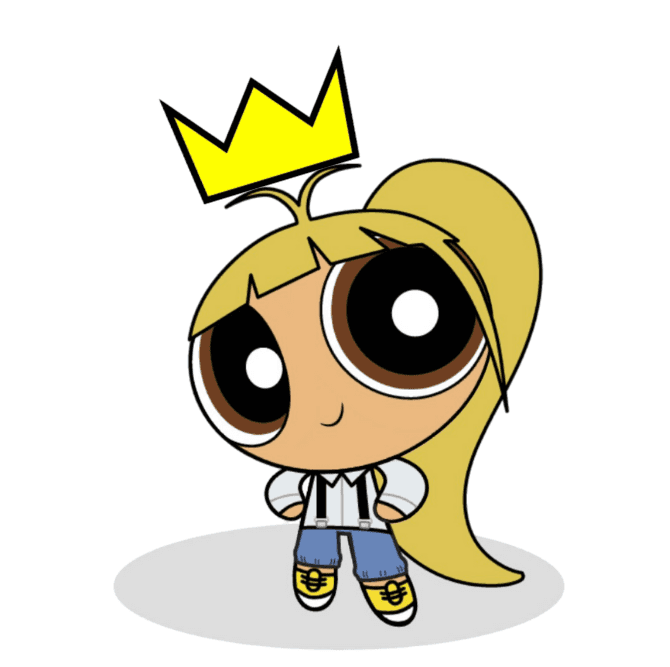
The Legacy
Discovery Oriented
"I want to remain unique, and help my friends find items in the process!"
"

The Adventurere
Social Connection Oriented
"Life's always full of surprises! I want to see what cool, vintage items I can put together!"
"
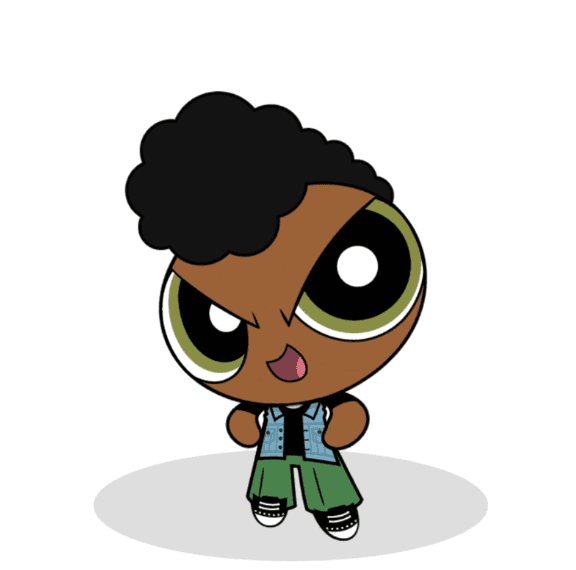
The Advocate
Advocacy Oriented
"I can't believe this shirt costs so much! Besides, it's fast fashion!"
"
"Better when I'm with you"
User Journey
We noticed a peak in sharing this experience with friends, and
a slight drop in item evaluation and purchase consideration.
It was clear: they need opportunity to engage with others and clothing items.
This discovery primarily led our design decisions.

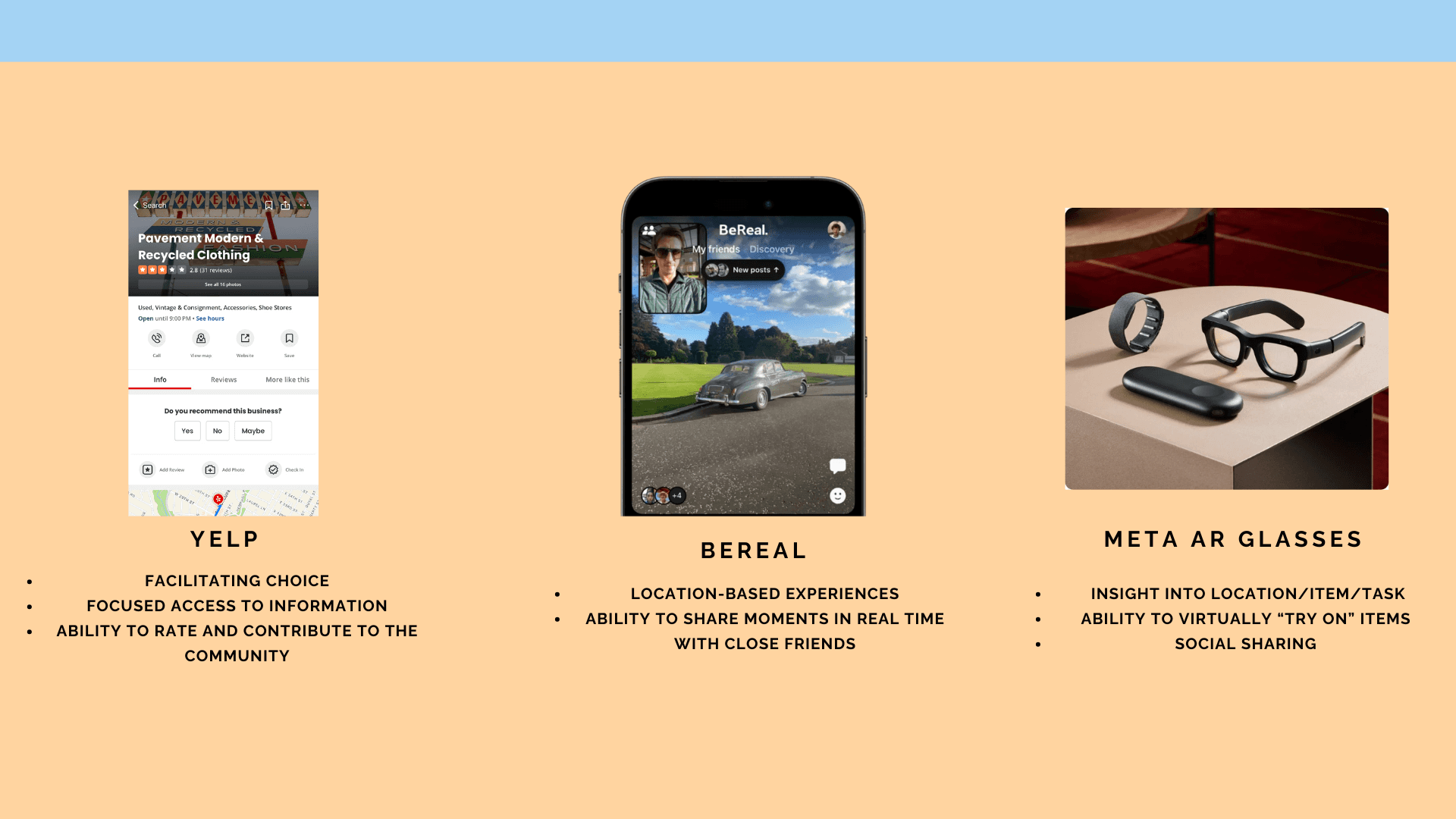
What's already out there?
Competative Research
Identifying 3 of our direct competitors was the first step.
Then we created a comparison matrix based on 45 criteria, including Nielsen’s heuristics.
Based on this matrix, we came up with elements that positioned our product above our competitors.
Two of these elements being ease of use, and access.
Initial Product
Low-Fidelity Prototype
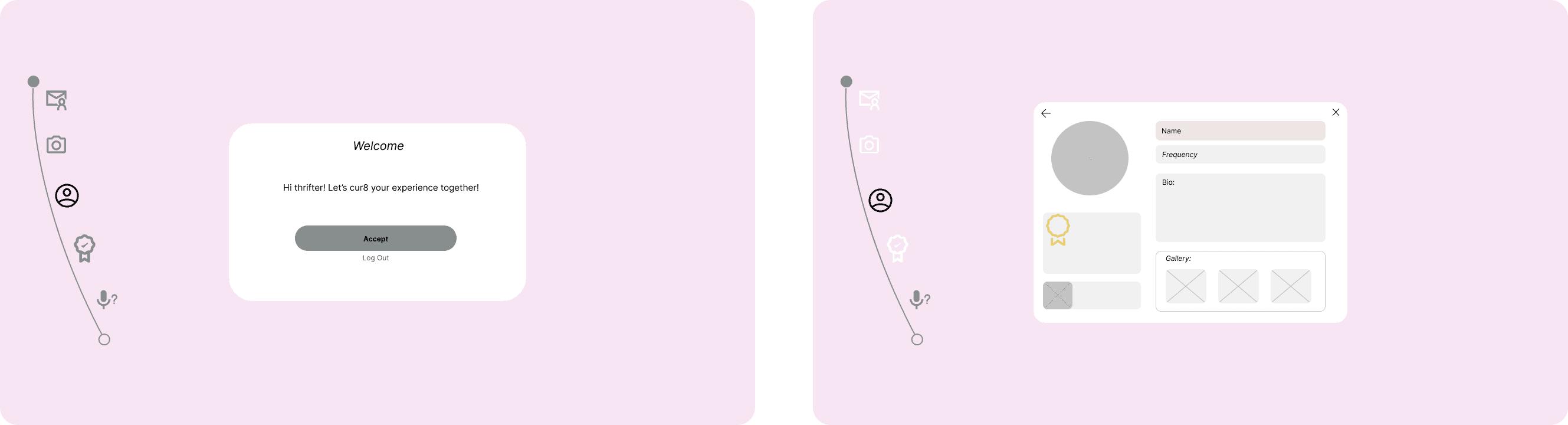
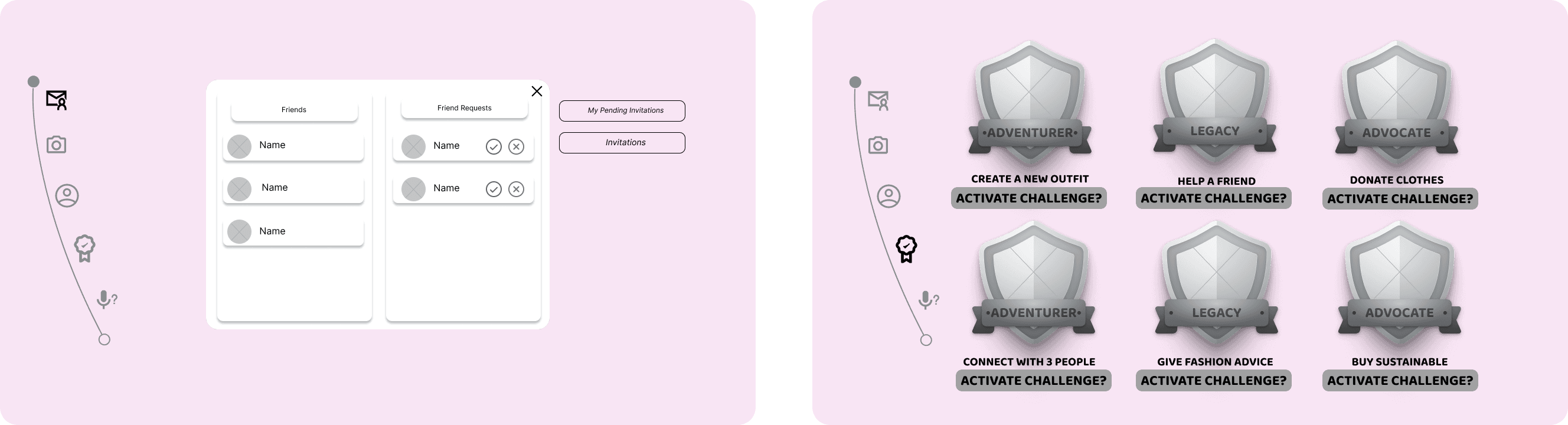
Based on user needs, we identified 5 main features which would help our users meet their goals:
• Profile Customization • Friend Request Abilities • Setting Meet-Ups
• Challenges to Tackle & Gain Reward • Item History Information Access
The pink background represents the view of the world.
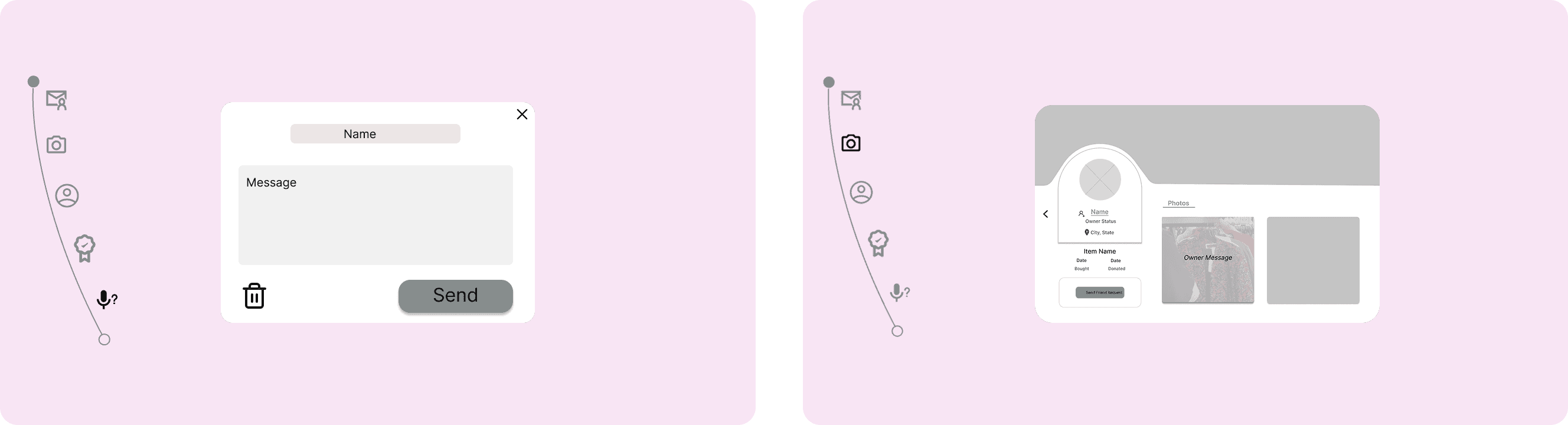
Item-History Information Access
Final Product
High-Fidelity Prototype
After user-testing and iteration, we developed a high-fidelity prototype
which targets user-paint points, bringing reilef while enhancing the thrifting experience.
And of course, Cur8 glasses would be reusable and available are participating thrift stores!